
How to choose safety footwear by the 5 hazards at your workplace
A practical guide to choosing safety footwear by hazard: impact, puncture, slips, electrical, chemical, heat, and proper fit, based on CCOHS and OSHA guidance.
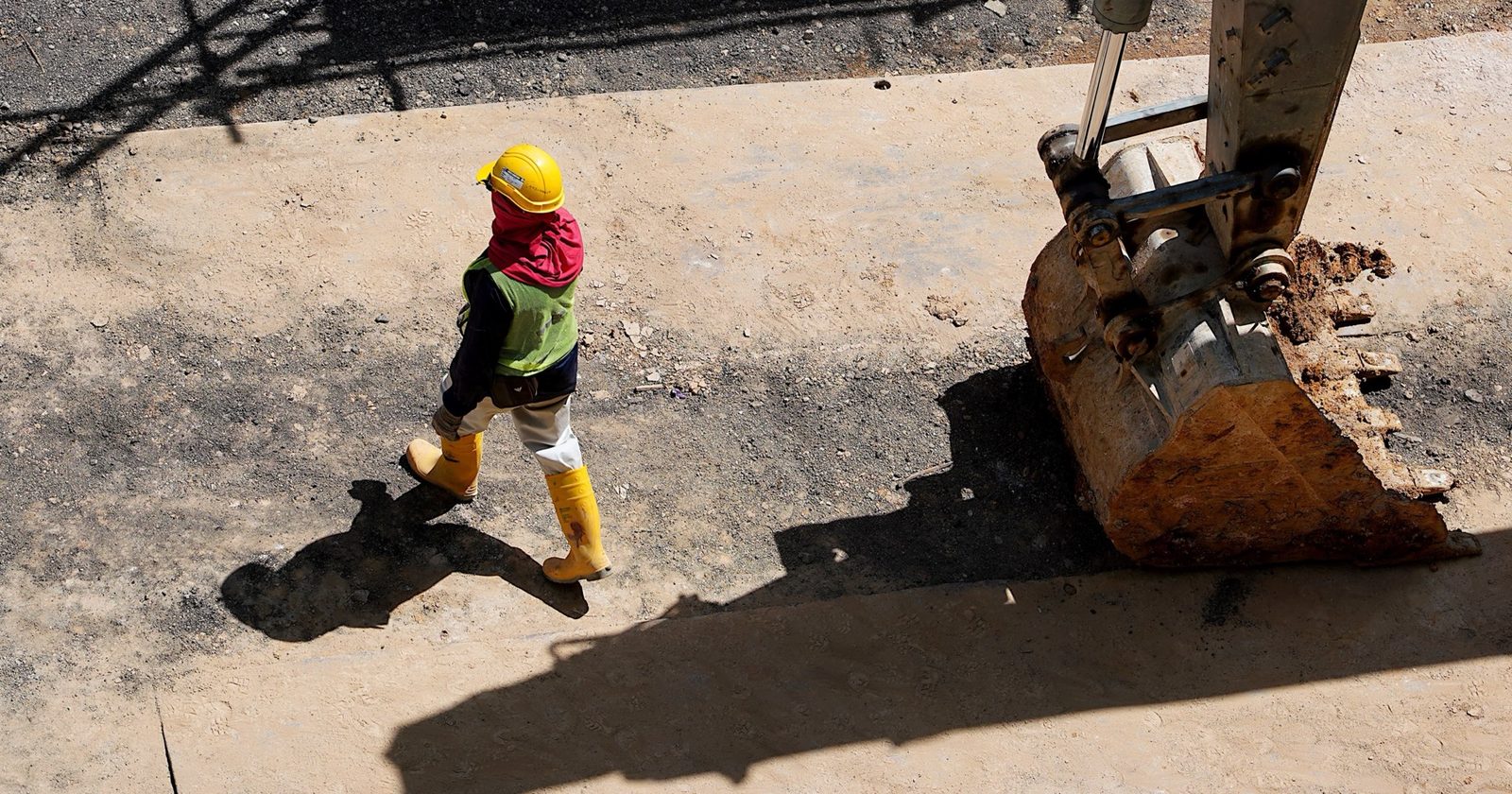
"Protective-toe shoes can still be the wrong choice if the real hazard sits under your sole, on a slippery floor, or in an electrical environment."
Safety footwear only protects against the hazards it was designed for. That sounds obvious, yet buying decisions are still driven by price or looks far too often. Before you order, map your workplace to the five hazard groups below. It is the selection approach recommended by CCOHS and required in principle by OSHA 1910.136.
1. Falling objects and impact
If the order stops at the steel-toe checkbox, the hazard assessment is still incomplete. Meanwhile the warehouse crew walks beside forklift routes all day, and the fabrication shop carries steel bars at chest height. One slip and the load lands on the toes; a trolley wheel rolls over the midfoot. Impact and compression are among the most common types of foot injury listed by CCOHS.
Walk the work area before you order. Are heavy parts handled above foot level? Do trolleys or pallet trucks cross walkways? Ask about near misses too: a toe cap crushed by a dropped part is a warning, even when nobody was hurt.
Then read the label and datasheet. The model must state a toe cap rated for impact, in Vietnam QCVN 36:2019/BLĐTBXH, internationally EN ISO 20345. If loads can strike the instep, look for metatarsal protection, because a toe cap alone does not cover the bridge of the foot (CCOHS).
Ask yourself: what is the heaviest object that could land on or roll over a foot here, and does the rating cover it?
2. Sharp objects underfoot
Maintenance zones and demolition sites collect nails and offcuts faster than anyone clears them. A thin sport-style sole gives way before the wearer notices, and the injury is often found late, when infection risk has already risen.
Look at what the ground actually contains: metal offcuts, packing staples, broken pallet boards, rebar stubs. Check where people step off clean flooring onto debris, because that transition point is where most punctures happen.
What you are verifying is a puncture-resistant midsole, stated on the marking or in the datasheet. Not assumed. A steel toe cap says nothing about underfoot protection; a separate plate does (CCOHS).
Ask yourself: if a nail went through the sole under a worker's full weight, would the midsole specification stop it?
3. Wet, oily or slippery floors
Every slippery floor is slippery in its own way. Cutting fluid in a machine shop, soapy wash-down water, loading docks in the rain. The wrong outsole glides on oil; leather that soaks through fails within weeks in constant water.
Judge floors on their worst day. Standing oil film, wet smooth concrete, loose gravel on steel walkways. Note which areas stay wet for a whole shift, because there the upper material matters as much as the tread.
Then match the specification to what you saw: oil- and slip-resistant outsole compounds for oily workshops, water-repellent uppers for wet zones. CCOHS notes that footwear is also marked with a slip-resistance level, so check the label on the shoe, the packaging or the product sheet.
Ask yourself: which surface here is worst when contaminated, and is the outsole rated for that contaminant?
4. Electrical, chemical and heat hazards
Electrical work, battery rooms and static-sensitive electronics each need something different from a furnace apron or a plating line. One detail that deserves more attention than it gets: CCOHS warns that electric-shock resistance is greatly reduced by wet conditions and wear. A shoe that passed the test new may not protect after months in rain. That is not a marginal note; it changes your replacement policy.
Be honest about the environment. Possible contact with energized conductors. Static discharge risks around flammable vapour or sensitive components. Splashes from corrosive liquids, radiant or contact heat from hot surfaces.
Verify the marking against the specific hazard: anti-static or insulating properties for the electrical group, materials compatible with the chemicals actually in use, heat-resistant outsoles for hot floors. Then keep the footwear dry and inspected, not just bought and forgotten (CCOHS).
Ask yourself: after this footwear has been wet or worn for months, which marking still guarantees the protection you rely on?
5. Fit and ankle height
Bad sizing quietly undoes every other feature. A loose heel means blisters and unstable steps. A tight toe box ends in numbness. Workers simply unlace and misuse boots that hurt by mid-shift, and no datasheet survives that.
Measure feet in the afternoon when they are swollen, and repeat for everyone in a group order, because sizes vary between people and between brands. CCOHS recommends about 12.5 mm of toe room, full lacing with a snug heel and ankle, and warns not to expect footwear to stretch with wear. Try new boots with the work socks and inserts actually used, and confirm with the manufacturer that inserts do not reduce the protection level.
On uneven ground, higher-cut boots support the ankle better (CCOHS).
Ask yourself: have the actual wearers walked in the actual size, with their work socks on, at midday rather than first thing in the morning?
Hazard-to-feature summary
| Hazard | Workplace signs | Feature to check | How to verify |
|---|---|---|---|
| Impact / crushing | Heavy parts at height, trolleys on walkways, past drop incidents | Impact-rated toe cap; metatarsal guard if instep is exposed | Marking + datasheet state the rating |
| Puncture | Nails, offcuts, rebar, broken pallets underfoot | Puncture-resistant midsole (steel or Kevlar plate) | Marking or datasheet states plate type |
| Slip / water / oil | Oil film, soapy water, wet smooth concrete, all-shift wet areas | Slip- and oil-resistant outsole; water-repellent upper | Slip-resistance level on label or product sheet |
| Electrical / chemical / heat | Live conductors, static-sensitive areas, corrosive splashes, hot floors | Anti-static or insulating marking; chemical-compatible materials; heat-resistant outsole | Marking + supplier documentation; inspect condition regularly |
| Poor fit | Blisters, unlaced or misused boots, wrong sizes in group orders | Correct size per wearer, ankle height for terrain | Afternoon fitting with work socks and inserts |
Suggested from the ANSa range
The final choice should always follow your hazard assessment. These references only show the catalog specifications of each model.
Checklist for volume buyers
Hazard list per work area, confirmed on an actual site walk: impact, puncture, slip, electrical, chemical, heat
Worst-case surfaces and contaminants per area, as they are on a bad day
Standard and protection level required on the label or datasheet, per model and batch
Foot measurements taken in the afternoon with work socks; size distribution across the whole crew, not an average
A trial with several wearers across a full shift before committing the full order
An inspection schedule and a replacement rule after any impact, puncture, wet-electrical or wear event
Sources
Standards cited for ANSa models are those printed on the product pages: QCVN 36:2019/BLĐTBXH; EN ISO 20345:2004.
Cover photo: Nicholas Lim / Pexels - Pexels License. This is an editorial image of a worker walking beside an excavator, not a product photo.